
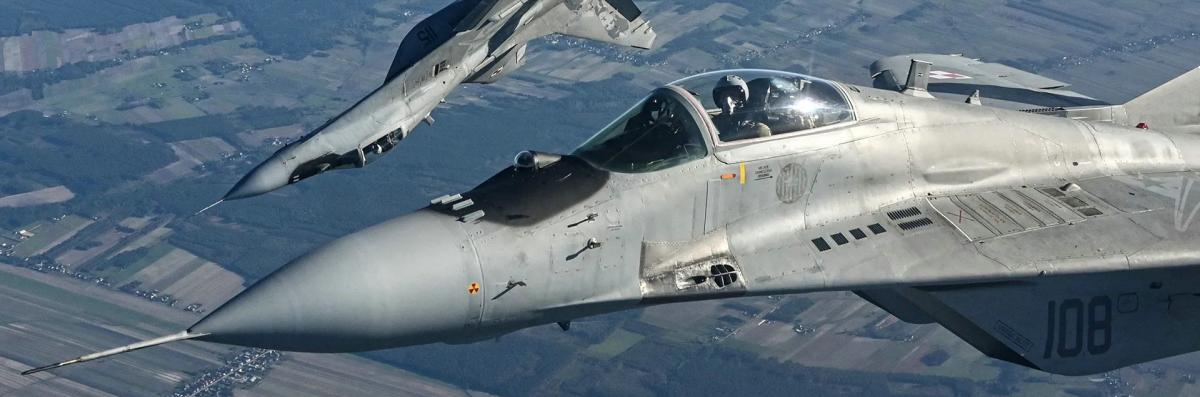
Advanced Carbon Materials and Engineering Solutions for Defense Applications
High-Performance Materials for Demanding Engineering Environments
The defense industry relies on advanced engineering materials and precision components to support a wide range of demanding applications. From military vehicle electrical systems and power generation equipment to specialized industrial machinery and maintenance infrastructure, material performance plays an important role in equipment reliability and operational efficiency.
Components used in demanding environments may be exposed to mechanical stress, vibration, temperature fluctuations, electrical loads, friction, and continuous operating cycles. Selecting appropriate materials and manufacturing processes is therefore essential to achieving the required performance and service life.
Carbon and graphite materials have established applications in electrical and mechanical engineering due to their distinctive combination of electrical conductivity, thermal characteristics, self-lubricating properties, and wear behavior.
At VOCARBON, we focus on carbon brushes, carbon brush holders, slip rings, and related carbon-based electrical contact components. We support industrial customers seeking customized components and replacement solutions based on technical drawings, specifications, and physical samples.
Our approach emphasizes material suitability, dimensional accuracy, manufacturing consistency, and application-specific evaluation.
1. The Importance of Advanced Materials in Defense-Related Industries
Defense-related industrial equipment operates across a broad range of environments and engineering conditions.
Electrical power systems, maintenance equipment, vehicle support systems, generators, and specialized machinery may require components capable of maintaining consistent performance under demanding operating conditions.
Material selection is an important part of engineering design because different materials offer different combinations of:
-
Electrical conductivity.
-
Thermal stability.
-
Mechanical strength.
-
Friction and wear characteristics.
-
Corrosion resistance.
-
Dimensional stability.
-
Resistance to environmental exposure.
No single material is suitable for every application. The correct choice depends on the component's function, operating conditions, design requirements, and applicable technical standards.
Carbon materials, engineering graphite, and specialized composite materials each have different properties and potential applications. Understanding these differences helps engineers select appropriate solutions for specific equipment requirements.
2. Carbon and Graphite Materials for Engineering Applications
Carbon and graphite materials are used in various industrial applications because of their useful electrical, thermal, and tribological characteristics.
Depending on the manufacturing process and material formulation, carbon-based products can be developed for different electrical and mechanical functions.
Electrographite Materials
Electrographite is widely used in electrical contact applications, including carbon brushes for suitable motors and generators.
Its characteristics can include suitable electrical conductivity, thermal performance, and friction behavior.
Resin-Bonded Carbon Materials
Resin-bonded carbon materials are manufactured using carbon raw materials and suitable binding systems.
Their mechanical and electrical characteristics depend on the formulation and processing method.
Metal-Graphite Materials
Metal-graphite materials combine graphite with metallic components, commonly copper.
They are used in selected electrical contact applications where relatively high electrical conductivity is required.
Engineering Graphite
Engineering graphite is used in selected mechanical and thermal applications where its properties are appropriate for the intended operating conditions.
Potential applications include specialized friction components, thermal management elements, and industrial mechanical assemblies.
The material grade and manufacturing process must always be selected according to the actual engineering specification.
3. Carbon Brushes for Electrical Power Systems
Reliable electrical power is essential to many industrial and defense-related support systems.
Generators, motors, and other rotating electrical machines are used in a variety of applications, including mobile power equipment, maintenance facilities, industrial infrastructure, and auxiliary electrical systems.
In suitable brushed electrical machines, carbon brushes provide sliding electrical contact between stationary and rotating components.
Their performance influences electrical continuity, contact stability, and maintenance requirements.
Important carbon brush characteristics include:
Electrical Conductivity
The material must provide suitable current transmission for the intended electrical load.
Wear Resistance
Appropriate wear characteristics help maintain consistent operation over the expected service interval.
Friction Characteristics
The interaction between the carbon brush and the commutator or slip ring affects temperature, wear, and contact performance.
Mechanical Strength
The brush must maintain sufficient structural integrity during installation and operation.
Dimensional Accuracy
Correct dimensions are necessary for proper installation and free movement inside the brush holder.
VOCARBON supports carbon brush requirements for suitable industrial motors, generators, and electrical contact systems.
4. Carbon Brush Holders and Precision Electrical Assemblies
Carbon brush holders are important mechanical components in brushed electrical machines.
They position the carbon brush and help maintain suitable contact pressure against the commutator or slip ring.
In demanding operating environments, brush holder design and manufacturing consistency are particularly important.
Key engineering considerations include:
-
Accurate mounting dimensions.
-
Proper brush alignment.
-
Suitable spring characteristics.
-
Smooth brush movement.
-
Reliable electrical connections.
-
Appropriate material selection.
-
Resistance to vibration and environmental conditions.
Different machines may require different holder configurations, terminal structures, and spring arrangements.
A replacement brush holder should therefore be evaluated according to the original equipment design rather than selected on appearance alone.
VOCARBON supports customized brush holder requirements based on drawings, technical specifications, and physical samples.
5. Slip Rings and Rotating Electrical Contact Components
Slip rings are electromechanical components used to transfer electrical power or signals between stationary and rotating structures.
They are found in selected generators, industrial machinery, rotating equipment, and specialized electrical systems.
A typical slip ring assembly may include conductive rings, carbon brushes, insulation materials, and mechanical support structures.
The performance of the complete assembly depends on several factors:
Contact Material Compatibility
The brush material must be appropriate for the conductive ring material and operating conditions.
Electrical Characteristics
Current, voltage, contact resistance, and other electrical parameters must be considered during component selection.
Mechanical Accuracy
Ring geometry, alignment, surface finish, and brush positioning influence contact performance.
Operating Conditions
Rotational speed, temperature, vibration, and environmental exposure should be considered during engineering evaluation.
For replacement and maintenance projects, it is important to understand the complete contact assembly rather than evaluating individual components in isolation.
6. Engineering Components for Demanding Industrial Environments
In addition to electrical contact components, carbon-based engineering materials have applications in selected industrial mechanical systems.
Their suitability depends on the material grade, component geometry, and operating conditions.
Potential engineering applications include:
-
Selected friction and wear components.
-
Electrical insulation and support assemblies.
-
Specialized graphite components.
-
Thermal management components.
-
Industrial mechanical seals and related assemblies.
-
Replacement components for existing equipment.
Different applications require different material characteristics.
For example, electrical contact components prioritize conductivity and contact behavior, while mechanical applications may place greater emphasis on friction, wear, strength, or thermal characteristics.
VOCARBON evaluates carbon component requirements according to the intended function and available technical specifications.
7. Customized Manufacturing Based on Drawings and Samples
One of the challenges in specialized engineering applications is sourcing replacement components with non-standard dimensions or discontinued part numbers.
Standard catalogue products may not always match the original equipment configuration.
VOCARBON welcomes inquiries for customized carbon brushes, brush holders, and related carbon components based on:
-
Technical drawings.
-
Existing product samples.
-
Original part numbers.
-
Dimensional specifications.
-
Material requirements.
-
Product photographs.
-
Equipment manufacturer and model information.
For carbon brushes, important information includes width, thickness, length, material grade, lead configuration, and terminal arrangement.
For brush holders and electrical assemblies, mounting dimensions, spring arrangements, connection structures, and installation details should also be provided.
Our team can review the available information and discuss the feasibility of manufacturing or supplying suitable replacement components.
For specialized or regulated applications, applicable technical standards, documentation, and customer qualification requirements should be confirmed before production.
8. Quality Control and Manufacturing Consistency
Material performance is only one part of a reliable engineering solution.
Manufacturing consistency and inspection are equally important, particularly when components must meet specific dimensional and functional requirements.
Depending on the product and customer specification, relevant quality control activities may include:
Raw Material Evaluation
Checking the supplied material against the required grade and technical specification.
Dimensional Inspection
Verifying critical dimensions against approved drawings or samples.
Surface Inspection
Checking functional surfaces for visible defects and dimensional irregularities.
Electrical Testing
Performing applicable electrical checks for products where electrical performance is a key requirement.
Mechanical Inspection
Evaluating relevant mechanical characteristics according to the product specification.
Product Identification and Documentation
Maintaining appropriate product identification and inspection information according to the agreed project requirements.
For defense-related and other regulated applications, additional qualification, traceability, and approval requirements may apply. These should be established with the customer before accepting the project.
9. Material Selection Should Begin with the Application
Selecting an engineering material based only on its general description is rarely sufficient.
Two carbon materials may appear similar but have different electrical resistivity, hardness, strength, friction characteristics, and wear behavior.
A suitable material selection process should consider:
-
The function of the component.
-
The operating temperature range.
-
Electrical load and current requirements, where applicable.
-
Mechanical stress and vibration.
-
Contact surface and friction conditions.
-
Required service life.
-
Applicable material and inspection standards.
-
Installation and maintenance requirements.
By understanding these factors, customers and suppliers can reduce the risk of selecting unsuitable replacement materials.
VOCARBON encourages customers to provide as much technical information as possible when requesting customized carbon components.
10. VOCARBON: Carbon Component Solutions for Specialized Engineering Applications
VOCARBON focuses on carbon brushes, carbon brush holders, slip rings, and related electrical contact components for industrial and specialized engineering applications.
We understand that different equipment designs require different component configurations and material characteristics.
Our product and service scope includes:
Carbon Brushes
Carbon brushes in different dimensions, material grades, and connection configurations for suitable electrical machines.
Carbon Brush Holders
Brush holder assemblies with different mechanical structures, spring arrangements, and mounting configurations.
Slip Ring Components
Electrical contact components for selected rotating electrical systems.
Customized Carbon Products
Replacement components developed according to customer drawings, specifications, and physical samples.
Technical Requirement Evaluation
Reviewing dimensions, materials, application conditions, and manufacturing requirements before confirming a suitable solution.
Our focus is to help customers identify practical component solutions that meet their actual equipment requirements.
11. Contact VOCARBON for Carbon Material and Engineering Component Requirements
Advanced materials are essential to the performance of demanding engineering systems.
Carbon and graphite components continue to provide useful solutions in selected electrical and mechanical applications, particularly where electrical contact, friction behavior, and wear characteristics are important.
At VOCARBON, we are committed to supplying carbon brushes, brush holders, slip ring components, and customized carbon products for industrial and specialized engineering applications.
Whether you require standard electrical contact components or customized replacement parts based on drawings and samples, we welcome your inquiry.
Please send us your technical specifications, part numbers, drawings, or product photographs. Our team will review your requirements and discuss suitable manufacturing and supply options.
VOCARBON – Carbon Materials and Electrical Contact Solutions for Demanding Engineering Applications.
Website: https://www.vocarbon.com/
Email: sales@vocarbon.com