
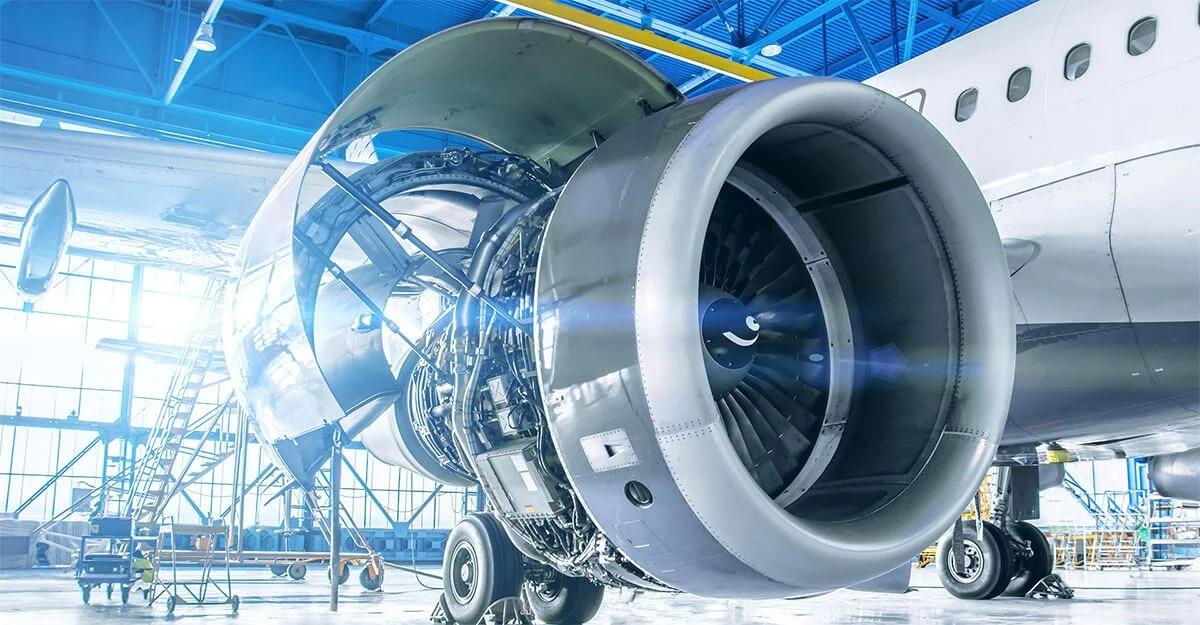
Precision Carbon Technology for Aviation and Aerospace Electrical Systems
Where Material Performance, Reliability and Precision Matter
The aviation and aerospace industries operate under some of the most demanding engineering conditions in the world. Aircraft electrical systems, aerospace equipment, auxiliary power units, generators, and specialized electromechanical assemblies require components that deliver consistent performance, dimensional accuracy, and dependable operation.
In these applications, even relatively small components can have a significant impact on the performance of the overall system. Carbon brushes and other carbon-based electrical contact components are examples of products that require careful material selection, precise manufacturing, and strict application-specific evaluation.
Carbon technology has a long history in electrical engineering. Its combination of electrical conductivity, self-lubricating characteristics, friction control, and wear properties makes it suitable for selected rotating electrical machines and specialized aerospace applications.
At VOCARBON, we focus on carbon brushes, carbon brush holders, slip rings, and related electrical contact components. We understand the importance of precision and technical consistency when supplying components for demanding electrical equipment.
Our objective is to support customers with practical carbon component solutions based on technical specifications, engineering drawings, and physical samples.
1. The Role of Carbon Technology in Aviation and Aerospace
Carbon materials are used in a variety of electrical and mechanical applications because their properties can be tailored to meet different engineering requirements.
In aviation and aerospace electrical systems, carbon brushes may be used in selected motors, generators, and rotating electrical assemblies.
Typical applications may include:
-
Aircraft electrical generators.
-
Starter-generator systems.
-
Auxiliary power unit (APU) electrical equipment.
-
Selected DC motors.
-
Specialized actuators and electromechanical systems.
-
Ground support equipment.
-
Aerospace testing and maintenance equipment.
-
Selected rotating electrical contact systems.
It is important to note that not all modern aircraft electrical systems use conventional carbon brushes. Many systems employ brushless generators and other advanced electrical architectures.
However, carbon-based electrical contact components remain relevant in equipment where sliding electrical connections are part of the design.
Understanding the actual equipment architecture is therefore essential before selecting or manufacturing replacement components.
2. Precision Carbon Brushes for Aerospace Electrical Equipment
Carbon brushes are designed to transfer electrical current between stationary and rotating components while maintaining sliding contact.
In selected aerospace electrical machines, their performance can influence electrical continuity, contact stability, and the reliability of the associated rotating assembly.
Unlike some general industrial applications, aerospace-related components may have particularly specific requirements concerning dimensions, material characteristics, operating conditions, and documentation.
Important carbon brush characteristics include:
Dimensional Accuracy
Carbon brush width, thickness, and length must match the equipment design. Dimensional deviations may affect installation, brush movement, and contact conditions.
Electrical Resistivity
Electrical resistivity influences current transmission and must be appropriate for the intended application.
Mechanical Strength
The material should provide sufficient mechanical integrity to withstand handling, installation, and operating loads.
Friction and Wear Characteristics
Suitable friction and wear behavior help maintain stable sliding contact under the specified operating conditions.
Thermal Performance
The material must be evaluated for the operating temperature range and thermal conditions of the electrical machine.
Material Consistency
Consistent raw materials and manufacturing processes help reduce variations between production batches.
These characteristics should be evaluated together rather than independently. The most suitable carbon brush grade depends on the complete electrical and mechanical design.
3. Carbon Materials and Their Engineering Characteristics
Different carbon materials offer different combinations of electrical, mechanical, and tribological properties.
Selecting the correct material is one of the most important stages in developing or replacing an electrical contact component.
Electrographite Carbon
Electrographite materials are widely used in industrial and specialized electrical machines.
They can offer suitable electrical conductivity, thermal stability, and friction characteristics for selected applications.
Resin-Bonded Carbon
Resin-bonded carbon materials are used in applications requiring specific mechanical and electrical characteristics.
Their properties depend on the raw material composition, binder system, and manufacturing process.
Metal-Graphite Carbon
Metal-graphite materials combine graphite with metallic components, commonly copper, to achieve relatively high electrical conductivity.
They are used in selected electrical contact applications where current transmission requirements make this material category appropriate.
Natural Graphite Carbon
Natural graphite materials have specific lubrication and electrical characteristics and are used in certain applications where their properties meet the equipment requirements.
For aviation and aerospace-related projects, material selection should be based on approved technical specifications and verified application requirements.
A material should never be considered suitable for an aircraft system solely because its dimensions or general composition resemble an existing component.
4. Electrical Generators and Starter-Generator Systems
Aircraft electrical generation systems provide power for essential onboard equipment and electrical loads.
Depending on the system architecture, generators and starter-generators may incorporate rotating electrical components and specialized contact arrangements.
In certain brushed designs, carbon brushes are used to maintain electrical contact with slip rings or other rotating electrical interfaces.
These components must be compatible with the electrical and mechanical requirements of the equipment.
When evaluating replacement carbon brushes for generator applications, important information includes:
-
Generator manufacturer and model.
-
Original carbon brush part number.
-
Brush dimensions.
-
Carbon material grade.
-
Electrical characteristics.
-
Lead and terminal configuration.
-
Slip ring contact conditions.
-
Operating speed and temperature.
-
Relevant technical and qualification requirements.
Proper evaluation helps ensure that replacement components are suitable for the intended equipment configuration.
VOCARBON supports inquiries for carbon brushes and related electrical contact components for selected generator and rotating electrical applications.
5. Carbon Brush Holders and Precision Mechanical Assemblies
A carbon brush is only one part of an electrical contact assembly.
The brush holder provides mechanical positioning and supports the brush during operation. In spring-loaded designs, it also helps maintain the required contact pressure against the rotating surface.
For precision electrical equipment, the brush holder must be evaluated alongside the carbon brush.
Important design considerations include:
Accurate Mounting Dimensions
The holder must fit the original equipment installation structure and maintain the correct brush position.
Controlled Spring Pressure
Spring characteristics should match the design requirements to avoid excessive or insufficient contact pressure.
Smooth Brush Movement
The carbon brush should move freely within the holder to accommodate normal wear.
Electrical Connection Reliability
Terminals, flexible leads, and connection structures must meet the required electrical and mechanical specifications.
Material and Environmental Compatibility
The holder materials and surface treatments should be suitable for the intended operating environment.
For replacement projects, original drawings and physical samples can help identify critical dimensions and structural details.
6. Slip Rings and Rotating Electrical Contact Technology
Slip rings are important components in rotating electrical systems where electrical power or signals must pass between stationary and rotating structures.
They are used in selected generators, rotating machinery, testing equipment, and specialized electromechanical systems.
A typical slip ring assembly may contain conductive rings, brushes, insulation materials, and supporting mechanical structures.
The performance of a slip ring system depends on several factors:
-
Contact material selection.
-
Surface finish and contact geometry.
-
Electrical current and voltage requirements.
-
Rotational speed.
-
Mechanical alignment.
-
Contact pressure.
-
Operating temperature.
-
Environmental conditions.
Carbon brushes used in slip ring systems must be matched to the contact surface material and operating conditions.
Poor material compatibility or incorrect contact pressure may contribute to excessive wear, overheating, and unstable electrical contact.
VOCARBON provides carbon brushes and related electrical contact components for suitable slip ring applications.
7. Why Precision Manufacturing Matters in Aerospace Applications
Precision is not simply about producing a component with accurate external dimensions.
It also involves controlling material characteristics, manufacturing consistency, surface quality, assembly details, and inspection procedures.
For aerospace-related components, these factors can be particularly important because replacement parts may need to satisfy specific engineering and qualification requirements.
Key manufacturing considerations include:
Raw Material Control
The composition and characteristics of the carbon raw materials should be consistent with the required product specification.
Dimensional Inspection
Critical dimensions should be measured against the applicable technical drawing or approved sample.
Surface Quality
The contact surface and other functional surfaces should meet the specified finish and geometry requirements.
Connection Quality
Flexible leads, terminals, and other electrical connections should be evaluated for mechanical integrity and electrical continuity where applicable.
Batch Consistency
Repeatable manufacturing processes help maintain consistency across production batches.
Technical Documentation
Inspection records, material information, and other required documents should be established according to the customer's project requirements.
For safety-critical aviation applications, manufacturing capability alone does not establish aerospace approval. Applicable certifications, qualification procedures, traceability, and customer authorization must be verified separately.
8. Replacement Carbon Components Based on Drawings and Samples
Finding replacement parts for older or specialized aerospace-related electrical equipment can be challenging.
Some equipment may use discontinued components, non-standard dimensions, or manufacturer-specific configurations.
In these situations, technical drawings and physical samples can provide useful information for evaluating replacement requirements.
VOCARBON welcomes inquiries for customized carbon brushes and related components based on available technical information.
Customers can provide:
-
Original part numbers.
-
Manufacturer and equipment model.
-
Technical drawings.
-
Carbon brush dimensions.
-
Material specifications.
-
Photographs of the original components.
-
Physical samples, where available.
-
Required inspection and documentation standards.
For brush holder assemblies, additional information about mounting dimensions, spring mechanisms, terminal structures, and installation arrangements is helpful.
Our team can review the available information and discuss manufacturing feasibility and technical requirements.
Any proposed replacement for aircraft-installed or safety-critical equipment must undergo the appropriate engineering review and customer approval before use.
9. Supporting Aerospace Maintenance and Specialized Electrical Equipment
Aviation-related electrical equipment requires careful maintenance and appropriate replacement components.
In selected brushed electrical systems, regular inspection of carbon brushes, brush holders, and slip ring surfaces can help identify abnormal conditions before they develop into more serious equipment problems.
Maintenance personnel should pay attention to:
-
Carbon brush wear and remaining service length.
-
Abnormal electrical sparking.
-
Uneven brush contact.
-
Brush holder deformation or contamination.
-
Spring condition and contact pressure.
-
Flexible lead and terminal damage.
-
Slip ring surface condition.
-
Signs of overheating or abnormal vibration.
Maintenance and replacement procedures should always follow the equipment manufacturer's instructions and applicable aviation maintenance requirements.
VOCARBON aims to support the supply of suitable carbon contact components for customers involved in electrical equipment maintenance, repair, and replacement projects.
10. VOCARBON: Carbon Component Solutions with a Focus on Precision
VOCARBON focuses on carbon brushes, carbon brush holders, slip rings, and related electrical contact components for industrial and specialized electrical applications.
We understand that different customers have different technical requirements. Standard catalogue dimensions may not always meet the needs of specialized electrical equipment.
Our approach is based on understanding the product, reviewing available technical information, and evaluating the manufacturing requirements before proceeding.
Our product and service scope includes:
Carbon Brushes
Different dimensions, material grades, lead arrangements, and configurations for suitable electrical machines.
Carbon Brush Holders
Brush holders and assemblies with different mounting structures, spring arrangements, and electrical connections.
Slip Ring Components
Electrical contact components for selected rotating electrical applications.
Customized Manufacturing
Replacement and customized components based on customer drawings, specifications, or physical samples.
Technical Evaluation
Review of product dimensions, material requirements, equipment information, and application conditions.
We welcome inquiries from electrical equipment manufacturers, engineering companies, maintenance contractors, component distributors, and specialized industrial suppliers.
11. Contact VOCARBON for Precision Carbon Component Solutions
Carbon technology continues to play an important role in selected aviation and aerospace electrical applications.
From generator brush assemblies to specialized rotating electrical contact systems, the performance of carbon components depends on suitable materials, accurate dimensions, and application-specific engineering.
At VOCARBON, we are committed to supporting customers who require carbon brushes, brush holders, slip ring components, and customized electrical contact products.
If you are looking for replacement carbon components or need a manufacturing partner for a specialized electrical contact project, we welcome your inquiry.
Send us your part numbers, technical drawings, product photographs, or physical samples. Our team will review the available information and discuss suitable solutions for your requirements.
VOCARBON – Precision Carbon Brush and Electrical Contact Solutions for Specialized Industrial Applications.
Website: https://www.vocarbon.com/
Email: sales@vocarbon.com