
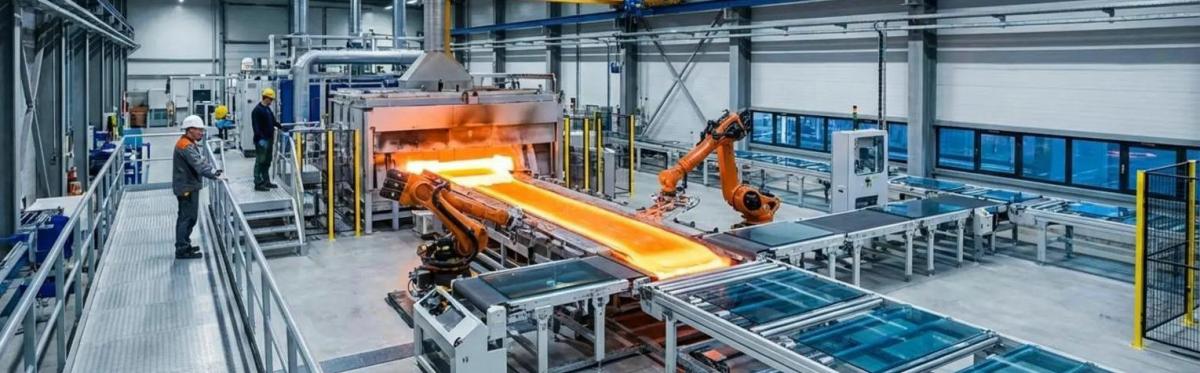
Reliable Carbon and Electrical Contact Solutions for the Glass Manufacturing Industry
The glass manufacturing industry operates in one of the most demanding industrial environments. From melting and forming to cooling, cutting, finishing, and material handling, every stage of production depends on reliable machinery and carefully controlled operating conditions.
Glass production facilities often operate continuously, with equipment exposed to high ambient temperatures, dust, vibration, mechanical loads, and long operating hours. Unexpected equipment failures can interrupt production, increase maintenance costs, and affect overall manufacturing efficiency.
Selecting suitable materials and replacement components is therefore an important part of maintaining reliable industrial operations.
At VOCARBON, we focus on carbon brushes, carbon brush holders, slip ring components, and customized carbon-based electrical parts. These products support selected electrical systems used in industrial machinery, including equipment found in glass manufacturing facilities.
By considering operating conditions, material properties, dimensional accuracy, and equipment compatibility, industrial users can make better-informed decisions when selecting replacement electrical contact components.
1. Understanding the Challenges of Glass Manufacturing
Glass production involves several interconnected processes. Each stage places different demands on machinery and electrical systems.
High-Temperature Environments
Glass melting furnaces operate at extremely high temperatures. Although carbon brushes are generally not installed directly inside melting zones, nearby equipment may operate in environments where elevated ambient temperatures affect motors, electrical connections, insulation, and mechanical components.
Temperature management and the correct selection of materials are essential for maintaining equipment performance.
Continuous Production Requirements
Many glass manufacturing facilities operate continuously or on extended production schedules. Equipment downtime can affect production planning, energy consumption, and delivery commitments.
Motors, fans, pumps, conveyors, and other rotating machinery must therefore be maintained according to appropriate inspection and replacement schedules.
Dust and Contamination
Glass processing can generate dust and fine particles during cutting, grinding, polishing, and material handling.
Dust contamination may affect electrical contact surfaces, cooling arrangements, bearings, and moving mechanical components. In brushed electrical equipment, contamination can also influence brush movement and contact performance.
Mechanical Loads and Vibration
Conveyors, lifting systems, rotating equipment, and material-handling machinery operate under varying mechanical loads. Vibration and changing operating conditions can influence the performance of electrical contact assemblies.
These challenges make component selection and preventive maintenance particularly important.
2. The Role of Carbon Brushes in Glass Manufacturing Equipment
Carbon brushes are used in many types of brushed electric motors and generators. Their primary function is to transfer electrical current between stationary and rotating components through sliding electrical contact.
In glass manufacturing facilities, carbon brushes may be relevant to selected equipment configurations, including:
-
Brushed industrial motors
-
DC drive motors
-
Selected generator systems
-
Certain lifting and material-handling equipment
-
Selected rotating electrical machinery
-
Slip ring motor systems
The actual requirement depends on the equipment design. Many modern industrial motors use brushless configurations or other electrical arrangements and do not require conventional carbon brushes.
For equipment that uses brushes, selecting the correct carbon grade is important.
A suitable carbon brush should provide an appropriate balance of electrical conductivity, friction characteristics, wear resistance, and mechanical strength.
The main selection factors include:
-
Operating current and current density
-
Voltage and electrical loading
-
Rotational speed
-
Contact pressure
-
Commutator or slip ring material
-
Ambient temperature
-
Dust and contamination levels
-
Equipment operating cycle
Choosing a brush solely according to its external dimensions may result in unsuitable electrical or mechanical performance. Material selection should be based on the actual operating requirements.
3. Selecting the Right Carbon Materials for Industrial Applications
Different carbon and graphite materials offer different electrical, mechanical, and friction characteristics.
Understanding these differences helps maintenance engineers identify suitable replacement components.
Electrographite Materials
Electrographite carbon brushes are widely used in various industrial motor and generator applications.
They are selected according to factors such as electrical loading, peripheral speed, contact pressure, and commutator or slip ring conditions.
Their friction and wear characteristics make them suitable for many industrial applications when the correct grade is specified.
Resin-Bonded Carbon Materials
Resin-bonded carbon grades are used in selected applications where their mechanical and electrical properties meet the equipment requirements.
Their suitability depends on the operating environment and the manufacturer's technical specifications.
Metal-Graphite Materials
Metal-graphite materials combine graphite with metallic constituents, commonly copper or other suitable metals.
They are used in certain applications requiring higher electrical conductivity, particularly in selected low-voltage or high-current systems.
Special Carbon and Graphite Components
Beyond conventional carbon brushes, customized carbon and graphite components can be used in selected industrial electrical and mechanical applications.
The appropriate material depends on the component's function, operating temperature, mechanical loading, electrical requirements, and surrounding environment.
For glass manufacturing equipment, the key is to select materials according to the actual installation conditions rather than assuming that one material is suitable for every machine.
4. Carbon Brush Holders for Stable Electrical Contact
A carbon brush holder is an important part of a brushed electrical contact assembly.
It guides the carbon brush and helps maintain suitable contact pressure against a commutator or slip ring.
In industrial facilities, an incorrectly selected or poorly maintained brush holder may contribute to uneven wear, brush sticking, unstable electrical contact, and excessive sparking.
For equipment operating over long production cycles, the design and condition of the brush holder deserve particular attention.
Important technical considerations include:
-
Brush width, thickness, and length
-
Holder internal dimensions and tolerances
-
Spring type and pressure characteristics
-
Mounting position and orientation
-
Electrical connection and terminal design
-
Holder material and temperature resistance
-
Compatibility with the original electrical assembly
In dusty environments, maintenance teams should also pay attention to carbon dust accumulation and the free movement of brushes within their holders.
VOCARBON supports inquiries for replacement and customized carbon brush holders based on technical drawings, existing samples, and equipment specifications.
5. Slip Ring Components for Rotating Industrial Equipment
Slip rings allow electrical power or signals to pass between stationary and rotating structures.
They are used in various industrial applications where continuous electrical connections are required during rotation.
Depending on the equipment design, glass manufacturing facilities may use slip ring assemblies in selected rotating machinery, lifting equipment, material-handling systems, and other specialized electrical installations.
A typical slip ring assembly may include:
-
Conductive slip rings
-
Carbon brushes
-
Carbon brush holders
-
Insulation components
-
Electrical terminals
-
Mechanical support structures
The reliability of the complete assembly depends on the compatibility of these components.
For example, a carbon brush must be suitable for the slip ring material, operating current, rotational speed, contact pressure, and environmental conditions.
Regular inspection can help identify:
-
Excessive brush wear
-
Uneven contact patterns
-
Abnormal sparking
-
Carbon dust accumulation
-
Overheating
-
Slip ring surface damage
-
Loose electrical connections
Replacing worn components with technically compatible alternatives can help maintain the operating condition of the equipment.
6. Supporting Industrial Motors and Material-Handling Systems
Glass manufacturing facilities rely on a wide range of electric motors and drive systems.
These may be used in raw material handling, batch preparation, conveyor systems, cutting machines, polishing equipment, ventilation systems, cooling equipment, and finished-product handling.
The specific motor technology varies according to the equipment manufacturer, application, and installation requirements.
For selected brushed motor systems, carbon brushes are essential electrical contact components. Their performance influences current transfer, contact stability, and maintenance requirements.
In addition, some industrial installations use lifting equipment and rotating machinery that incorporate slip ring assemblies or other electrical contact systems.
For maintenance teams, identifying the exact motor model and electrical configuration is an important first step before ordering replacement components.
VOCARBON can evaluate inquiries involving carbon brushes, brush holders, and related electrical contact components when customers provide part numbers, drawings, samples, or relevant equipment information.
7. Improving Equipment Reliability Through Preventive Maintenance
In glass production, preventive maintenance is important because unexpected failures can disrupt interconnected production processes.
Electrical contact components should be inspected as part of an appropriate maintenance program.
For brushed motors and generators, relevant inspection activities may include:
Carbon Brush Wear Inspection
Check brush length, wear patterns, and remaining usable material. Replace brushes according to equipment requirements and applicable maintenance limits.
Brush Holder Inspection
Verify that brushes can move freely and that the holder is not damaged or excessively contaminated.
Spring Pressure Inspection
Check spring condition and contact pressure according to the equipment manufacturer's specifications.
Commutator and Slip Ring Inspection
Inspect contact surfaces for uneven wear, contamination, overheating, or abnormal surface conditions.
Electrical Connection Inspection
Check terminals, flexible leads, and electrical connections for looseness, damage, or signs of overheating.
Operating Environment Inspection
Consider the effects of dust, ventilation, temperature, and vibration on the electrical assembly.
Maintenance intervals should be determined according to equipment design, operating conditions, manufacturer recommendations, and actual inspection findings.
8. Customized Replacement Solutions for Glass Manufacturing Equipment
Industrial glass production equipment may include machinery from different manufacturers, generations, and technical configurations.
For older machines or specialized installations, finding the exact original replacement component can sometimes be challenging.
In these situations, customized replacement components manufactured according to drawings or physical samples may provide an alternative, subject to technical evaluation and approval.
VOCARBON supports customer inquiries involving:
-
Customized carbon brushes
-
Carbon brushes with flexible leads and terminals
-
Industrial carbon brush holders
-
Spring-loaded brush holder assemblies
-
Slip ring carbon brushes
-
Special carbon and graphite components
-
Replacement electrical contact parts
To evaluate a replacement requirement, customers can provide:
-
Original part number or equipment model
-
Technical drawings or physical samples
-
Overall dimensions and tolerances
-
Required material grade, if known
-
Operating voltage and current
-
Rotational speed and application details
-
Required quantity
When the original material specification is unavailable, additional information about the equipment and operating conditions can help determine a suitable material for evaluation.
A replacement component should not be considered interchangeable based on appearance alone. Dimensional accuracy, material characteristics, electrical performance, and installation compatibility all need to be considered.
9. Cost-Effective Material Selection and Long-Term Value
For glass manufacturers, maintenance expenditure is closely connected to equipment reliability and production efficiency.
Choosing electrical contact components based only on the lowest purchase price may increase total operating costs if the products are unsuitable for the application.
A more comprehensive evaluation should consider:
-
Expected service life
-
Electrical and mechanical compatibility
-
Replacement frequency
-
Installation requirements
-
Maintenance labor
-
Availability of replacement components
-
Consistency between supply batches
A suitable carbon brush can help maintain stable electrical contact and reduce unnecessary wear when correctly matched to the application.
Similarly, a properly specified brush holder can help maintain consistent brush movement and contact pressure.
For industrial customers, the objective should be to obtain technically appropriate components that provide reliable service and reasonable lifecycle costs.
10. VOCARBON: Carbon and Electrical Contact Solutions for Industrial Applications
VOCARBON focuses on carbon brushes, carbon brush holders, slip ring components, and customized carbon-based electrical parts.
We understand that industrial customers often need replacement components for equipment with special dimensions, discontinued part numbers, or limited original supplier availability.
Our approach is based on understanding the customer's technical requirements and evaluating suitable replacement options.
Whether the requirement involves a standard carbon brush, a customized brush holder, or a special electrical contact component, drawings, samples, photographs, and equipment details can help establish the correct specifications.
Our objective is to support customers with practical sourcing and customized replacement solutions for industrial electrical equipment.
Conclusion: The Right Materials Make a Difference
The glass manufacturing industry depends on reliable equipment, appropriate material selection, and effective maintenance practices.
Although carbon brushes and brush holders are relatively small components, they can play an important role in the operation of brushed motors, generators, and slip ring assemblies used in selected industrial applications.
Choosing suitable materials and technically compatible replacement components can help reduce unnecessary maintenance, support stable electrical contact, and improve the overall value of industrial equipment operation.
VOCARBON is committed to supporting industrial customers with carbon brushes, brush holders, slip ring components, and customized carbon solutions based on their technical requirements.
Looking for carbon brushes or electrical contact components for glass manufacturing equipment?
Visit www.vocarbon.com or contact sales@vocarbon.com to discuss your requirements. Technical drawings, samples, and equipment details are welcome for evaluation.